

Lawn Care Tips and Articles
In need of lawn care tips to to improve the appearance of your property? Here is your answer!
Article #1 - The Reason Short Lawns Don't Thrive During Heat
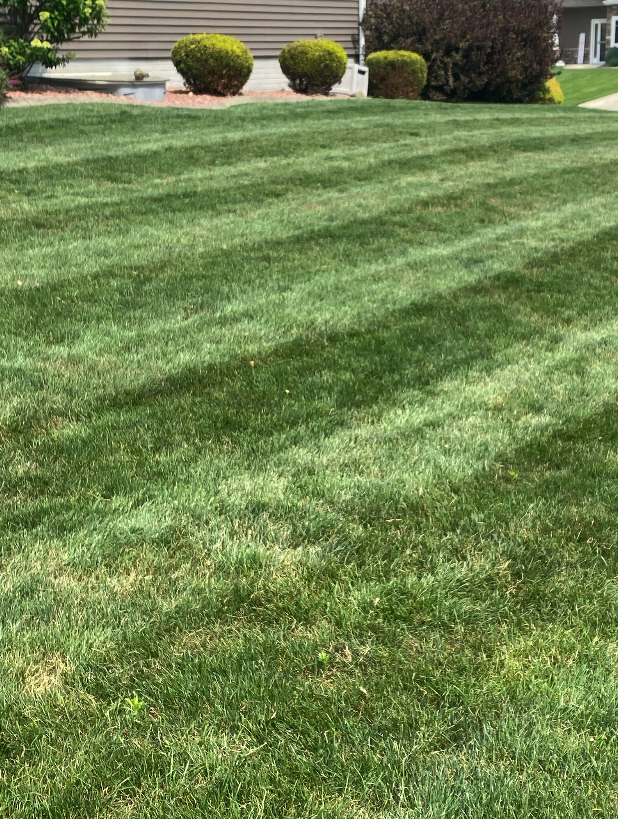
If your lawn turns a odd brown color and is obviously stressed, here is why. You are probably cutting it too short or it is not be irrigated enough. A lawn that thrives during the hot months of July is typically cut at 3.5 - 4.0 inches consistently. The more blade remaining on the grass after mowing acts as a solar panel and collects energy from the sun to help grow the roots. It also helps the turf remain green.
Article #2 - Don't Spray Weed Killer in Extreme Heat
In extreme heat (typically when the grass itself is over 85 degrees Fahrenheit) spraying weed killer such as herbicide can damage your lawn. The reason why is because in temps like this the lawn is desperate for moisture. During extreme heat, stressed grass is more likely to be damaged by herbicides because the heat already has the grass struggling to stay healthy. Wait until the grass temperature is between 65 and 85 degrees Fahrenheit. Temperatures below this slow down weed growth. When weeds are not actively growing, the plants pores are closed and the weed killer cannot get inside.
Article #3 - How Often To Fertilize Your Lawn, and How Much Water Does it Need?
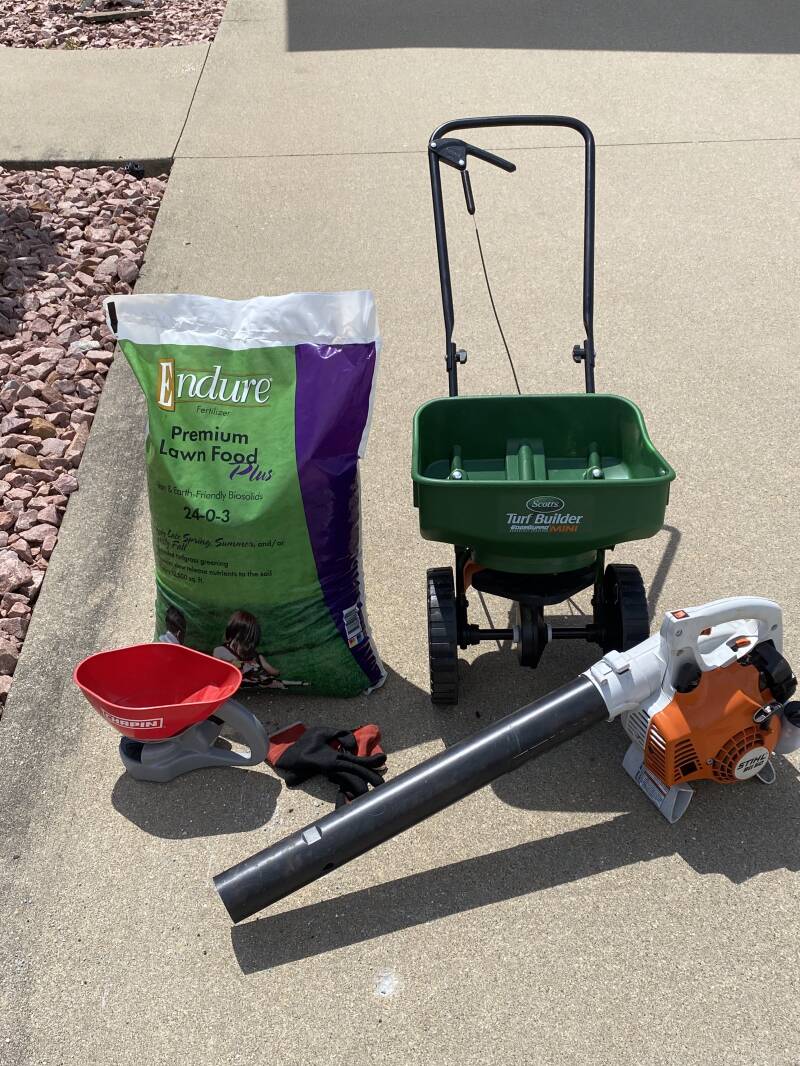
Quality Lawn Company LLC recommends a five-application lawn fertilization program throughout the year. Applications are typically made in early spring, late spring, summer when temperatures are suitable, early fall, and late fall for the final application.
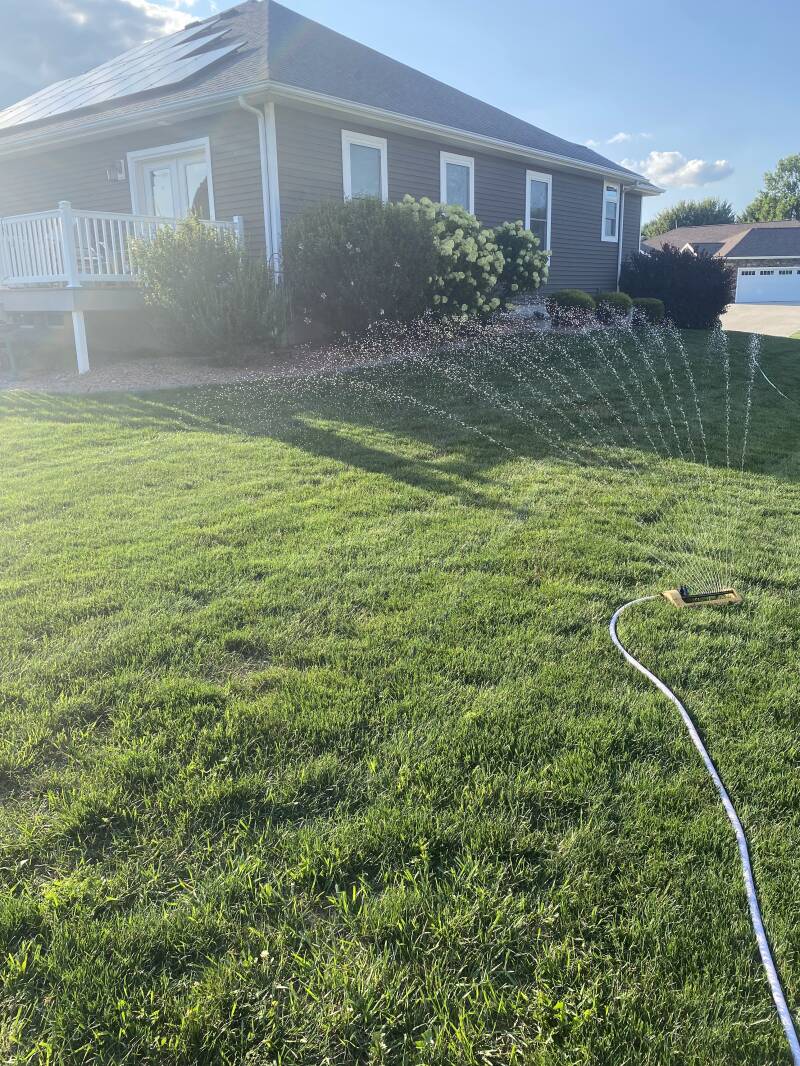
Proper watering is also important for maintaining a healthy lawn. If you have an irrigation system, the amount of water needed depends on your sprinkler type, soil, weather, and lawn conditions. Rather than relying on a specific number of minutes, adjust your system to provide approximately 1–1.5 inches of water per week, including rainfall.
If you do not have an irrigation system, you can use a rain gauge or simple measuring container to monitor how much water your lawn receives. During dry periods, aim for approximately 1–1.5 inches of total water per week, divided among three watering sessions.
Have a specific question? Contact us for free!